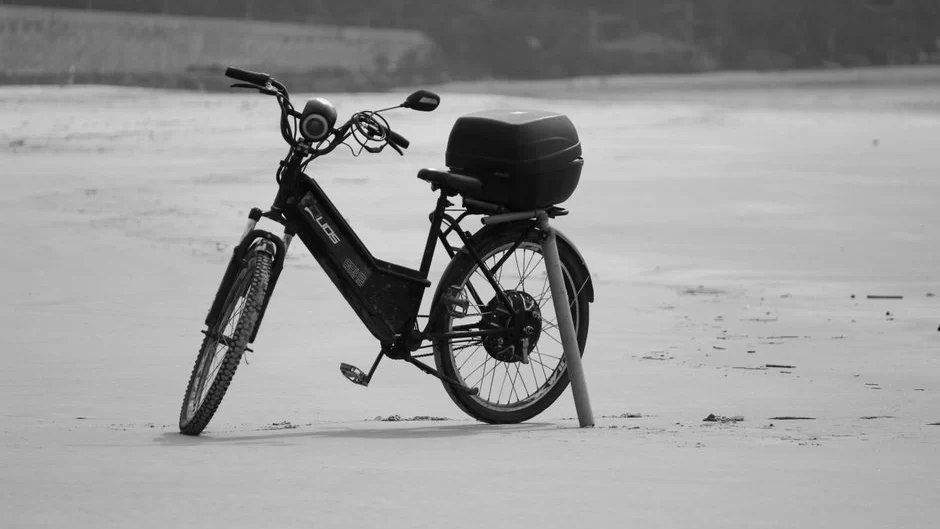
Qlife Electric Bikes: An Editorial Buyer’s Guide
Modern personal transit continues to evolve toward adaptable electric platforms that merge speed, distance, and day-to-day usability. As metropolitan commuters and recreational riders look beyond standard bicycles, Qlife electric bikes have emerged with an expansive catalog engineered around stability, accessible geometries, and assertive motor ratings.
The FitSil Edit’s take: Qlife electric bikes suit commuters, adventure riders, and multi-generational households seeking purpose-built frames with published high-capacity batteries, substantial payload limits, and diverse configurations ranging from stable folding three-wheelers to moped-style all-terrain options.
This article contains affiliate links; The FitSil Edit may earn a commission if you make a purchase, at no extra cost to you.
When assessing personal transport, browsing the Qlife electric bikes catalog reveals a deliberate focus on high-output hardware alongside approachable step-through frames.

Comparing Models Across Qlife Electric Bikes
The brand divides its lineup across clearly defined riding profiles, from urban cruising to demanding utility. The Spark series serves those drawn to moped ergonomics, featuring a 20×4.0-inch fat tire e-bike build, a 48V 15.6Ah battery, dual suspension, and a peak motor output of 1800W. For higher velocity and extended output, the Spark Plus expands this profile to a 2200W peak motor and a 52V 20Ah battery system.
Riders focused on pavement and mixed surfaces can look to the Racer Fat Tire 2.0, which carries TÜV Rheinland verification, full suspension, and an estimated pedal-assist range of up to 60 miles. Meanwhile, those who value standard low-step accessibility might consider the Cityone Plus, which delivers up to 80 miles of stated range via a 48V 15Ah configuration and a 1200W peak motor. Within The Edit, we look closely at specifications that support realistic everyday transit.
Cargo Utility and Multi-Wheel Stability
For individuals balancing errands, hauling gear, or seeking extra balance, specialized structural designs become essential. The Hunter Plus operates as an all-terrain folding electric bike featuring a 400-pound payload capacity, an 1800W peak motor, and a substantial 48V 20Ah power supply designed for up to 90 miles of riding.
For riders who prefer absolute three-wheel grounding, the Triker 2.0 provides a low step-through folding frame paired with integrated front and rear cargo baskets. Powered by a 1200W peak motor with a 55-mile stated range, it presents a stable solution for market visits and routine residential trips. Potential owners interested in practical cargo builds can review current specifications directly through Qlife’s official storefront.
Before You Buy
Before selecting any electric two-wheeler or trike, readers should carefully review practical constraints against their municipal environment:
First, examine regional speed and motor restrictions. Several Qlife builds state peak capabilities of 1800W or 2200W and top speeds surpassing 30 mph. Prospective owners should verify local e-bike classifications to ensure their preferred model aligns with municipal bike lane or trail regulations.
Second, account for total footprint and weight. Models carrying 20×4.0-inch tires, dual suspension linkages, and steel or aluminum utility racks offer robust payload capacities up to 400 pounds, but they require adequate ground-floor storage or dedicated transport setups.
Finally, note that the manufacturer lists a one-year warranty and free shipping across its lineup, giving prospective owners a defined baseline for after-purchase support.
Selecting among Qlife electric bikes ultimately comes down to your personal balance of motor power, frame geometry, and carrying capacity.
Leave a Reply